
Best Orthopedic Spine Surgeon near Anna Nagar – Dr. Barani Rathinavelu
If you live or work in Anna Nagar, you do not need to cross the city for expert spine care. Dr. Barani Rathinavelu, a fellowship-trained orthopedic spine surgeon, consults at CTS Speciality Hospital, V Block, Anna Nagar, and sees patients with back pain, sciatica, neck pain, spinal stenosis, spine fractures and deformities. Whether you need a second opinion on an MRI report or a complete treatment plan, the consultation is designed to give you clarity before any decision about surgery
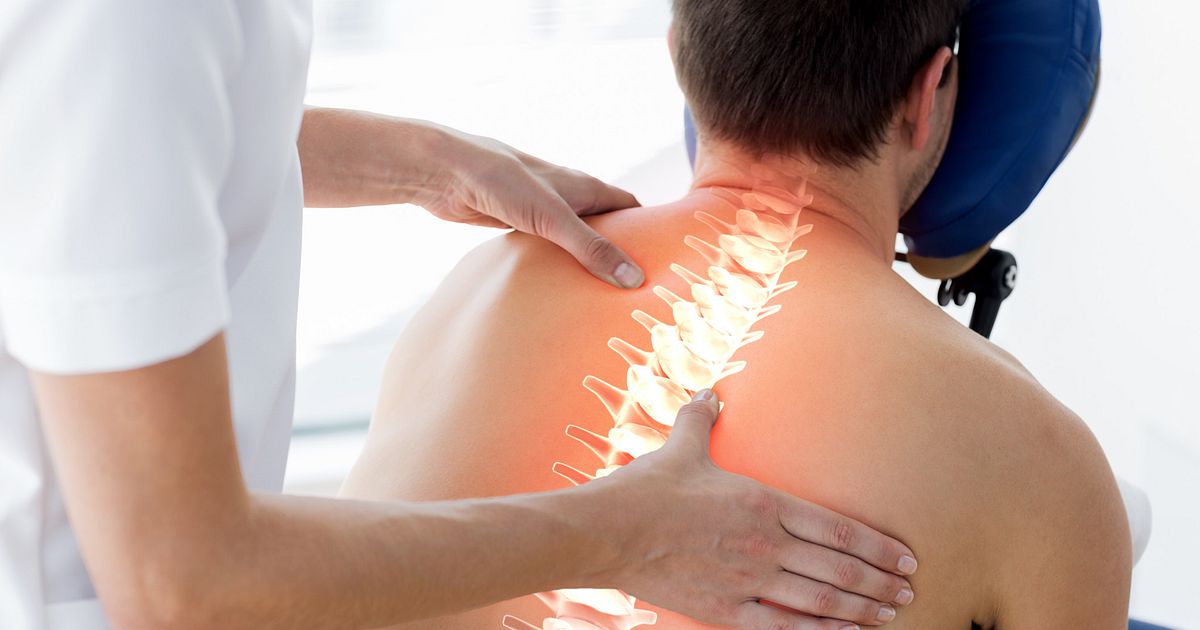
Spine problems we commonly see in Anna Nagar patients
- Disc problems in desk workers. Long hours of sitting, driving and laptop work put steady load on the lumbar and cervical discs. Dr. Barani co-authored a prospective MRI study of 100 computer professionals that documented multi-level disc degeneration in young people (EC Orthopaedics, 2018), so this is a pattern he understands well. Typical signs are back pain with a shooting pain down the leg, which is known as sciatica. The NHS explains that sciatica often settles within weeks to months, and that you should see a doctor if it is not improving, is getting worse or is stopping normal activities. When it persists, options include spinal injections and, in selected cases, discectomy.
- Spinal stenosis in senior citizens. Anna Nagar has a large senior population, and lumbar spinal stenosis is one of the most common reasons older adults lose walking ability. Leg pain, cramping or heaviness while walking or standing that eases on sitting or bending forward is the classic pattern, as Mayo Clinic describes. Many people improve with physiotherapy and medicines; those who do not may benefit from lumbar decompression or lumbar interbody fusion. Dr. Barani completed a geriatric spine fellowship in Sendai, Japan, so age-related spine problems are a special interest.
- Osteoporotic spine fractures. A sudden, sharp back pain after a minor fall or even a cough can signal a compression fracture. Treatment may range from bracing and pain control to vertebroplasty, along with bone-health treatment to prevent the next fracture.
- Scoliosis and spine deformity in teenagers and adults. Adolescent curves need timely assessment because progression can be predicted and managed. Learn more about scoliosis correction.
Consult at CTS Speciality Hospital, Anna Nagar
Address: No. 2, V Block, Plot 4047, 4th Main Rd, near Mahakali Amman Koil, V Block, Anna Nagar, Chennai, Tamil Nadu 600040.
To make the visit productive, bring:
- Your MRI or CT films and reports
- Previous X-rays and prescriptions
- A note of what triggers or relieves your pain
- Details of any earlier injections, physiotherapy or surgery
Book: call +91 80127 91565 or use the contact page to confirm consultation days and timings before you travel.
Neighbourhoods served from Anna Nagar
Patients regularly consult from Anna Nagar East and West, Thirumangalam, Aminjikarai, Kilpauk, Koyambedu, Arumbakkam, Shenoy Nagar and Mogappair. If Vanagaram is more convenient, Dr. Barani also consults at Apollo Speciality Hospitals; see the Vanagaram page. For a wider overview of his practice, visit the pages on the best orthopedic spine surgeon and the best spine surgeon in Chennai.
Recovering well after treatment
Good results depend on the right operation and on the right recovery. After treatment, patients are guided through a step-by-step rehabilitation plan covering posture, core strengthening and a safe return to work.
Frequently Asked Questions
1. Who is the best orthopedic spine surgeon near Anna Nagar?
Dr. Barani Rathinavelu is a fellowship-trained orthopedic spine surgeon (MS, DNB, MRCS Ed) who consults at CTS Speciality Hospital in Anna Nagar. His training spans India, France, South Korea, Japan and the USA, and he has been a consultant spine surgeon at Apollo Hospitals since 2017.
2. Where exactly does Dr. Barani consult in Anna Nagar?
Dr. Barani Rathinavelu is a fellowship-trained orthopedic spine surgeon (MS, DNB, MRCS Ed) who consults at CTS Speciality Hospital in Anna Nagar. His training spans India, France, South Korea, Japan and the USA, and he has been a consultant spine surgeon at Apollo Hospitals since 2017.
3. I sit at a desk all day and have back pain spreading to my leg. Will I need surgery?
Most people do not. Sitting-related disc pain and sciatica usually improve with activity modification, posture correction, medicines and physiotherapy. Surgery is considered only if there is significant weakness, severe compression on MRI, or persistent disabling pain despite proper treatment.
4. Can my elderly parent with spinal stenosis be treated safely?
Yes, in many cases. Treatment starts with non-surgical care and moves to decompression only when walking is severely limited or nerve function is at risk. A pre-operative fitness check, including heart, lung, diabetes and bone health, is part of planning for older patients.
5. Which scans should I get before my appointment?
An MRI of the affected region (lumbar or cervical spine) is the most useful. If you already have scans, bring the films or a disc, along with the reports. Do not repeat scans just for the appointment; your surgeon will advise if anything more is needed.
Our Services
Spine oncology , Geriatric spine care , Minimally invasive spine surgery , Navigated spine surgeries.
+91 80127 91565
krbarani@gmail.com
Quick Links
Copyright 2022-2024 by Dr.Barani Rathinavelu | All rights reserved.
Copyright 2022-2024 by Dr.Barani Rathinavelu | All rights reserved.